
Pedimento
January 1st's Ritual in San Bartolomé de Quialana

Here it is, my very first shooting of the year!
Over the last few weeks in Oaxaca, instead of mainly spending time in the city itself, I ventured out to explore some of the surrounding villages. Places like Teotitlán del Valle, Nochixtlán, San Miguel del Valle, Tlacolula, Ocotlán, etc. (there are sooo many!!!). Honestly, all of them were beautiful and special in their own way.
Part of the reason I do photography is that it pushes me to explore. I love the feeling of being lost somewhere and just walking randomly. There, my friends, in places I know nothing about, I’ve found some of my best images. At that edge, when we embrace the unknown, some kind of magic seems to live.
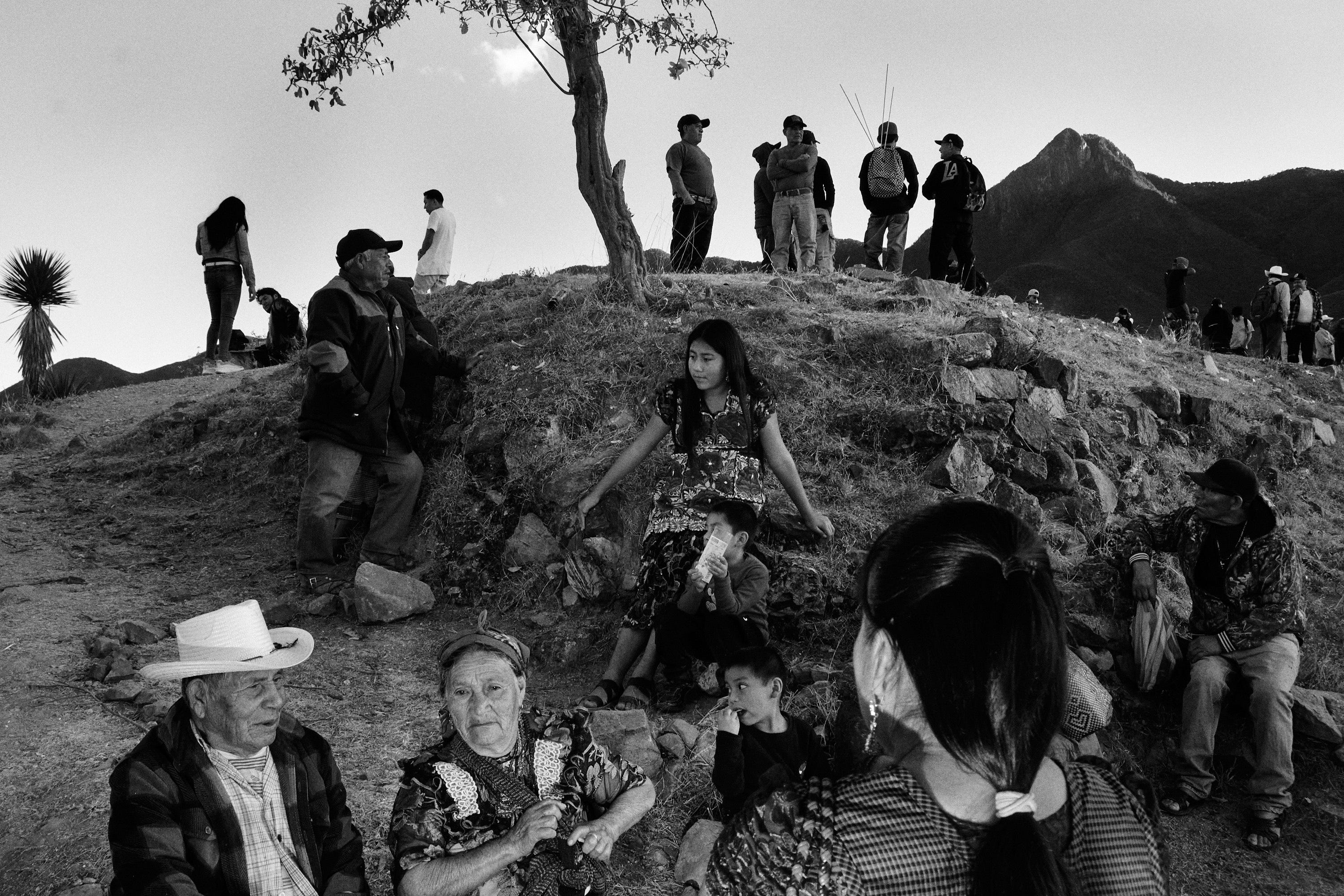
This series of photos portrays a tradition held every first day of the year in San Bartolomé de Quialana. People of all ages gather at the top of a small hill called El Calvario, although locals told me that the hill is actually a buried pyramid.
I first heard about this festivity during one of my village explorations. I sat down in the main square of San Bartolome to drink a cup of tejate (a drink of the gods) when an old man sat beside me and started talking. We shared a short conversation, and by the time we finished, more people had gathered around us. People were so curious about me and why I was there; I think I became a bit of an attraction.
Fun fact: I already felt drawn to this village because I had noticed many women at the Tlacolula market wearing a very particular cloth on their heads. When I asked, many of them told me they were from this village.
That’s something very special about the villages around Oaxaca, almost every one of them has its own distinct culture. From the way women dress to the work people do. For example, San Marcos Tlapazola is known for its red clay craftsmanship, and Teotitlán for its hand-spun wool and weaving traditions.
Coming back to the main story: a week later, on January 1st, I left my house not knowing if I’d actually manage to get to San Bartolomé. Transportation was difficult to find, and I had to rely on several buses and rickshaws to make it there. Instead of the usual one to one-and-a-half hours, it took almost three. I almost gave up, but my resilience held up.
When I arrived, I felt a bit shy as people looked at me and instantly recognized that I wasn’t a local. But after a few conversations, that feeling faded. The only issue was that I couldn’t focus much on photography, as many people wanted to talk to me. And I’m okay with that. Talking, giving time, and showing respect is the very least I can offer when entering a small community.


What was taking place was a pedimento, a celebration in which people make a pilgrimage or visit a sacred site at the beginning of the year to ask for blessings, protection, health, prosperity, and good fortune for the months ahead.
During the pedimento, I saw people buying all kinds of small figures like clay animals, tiny houses, and fake money as symbolic offerings representing what they wish for in the new year. These objects are taken to the summit of El Calvario, the sacred site, where they are placed alongside flowers and prayers. Rather than having material value, the figures make personal desires visible and concrete, blending Indigenous Zapotec traditions with Catholic devotion. What I found fascinating is that many people told me that “it always works.” It reminded me of the law of attraction — that idea that thoughts, beliefs, and emotions can consciously or unconsciously become true, shaping our lives.
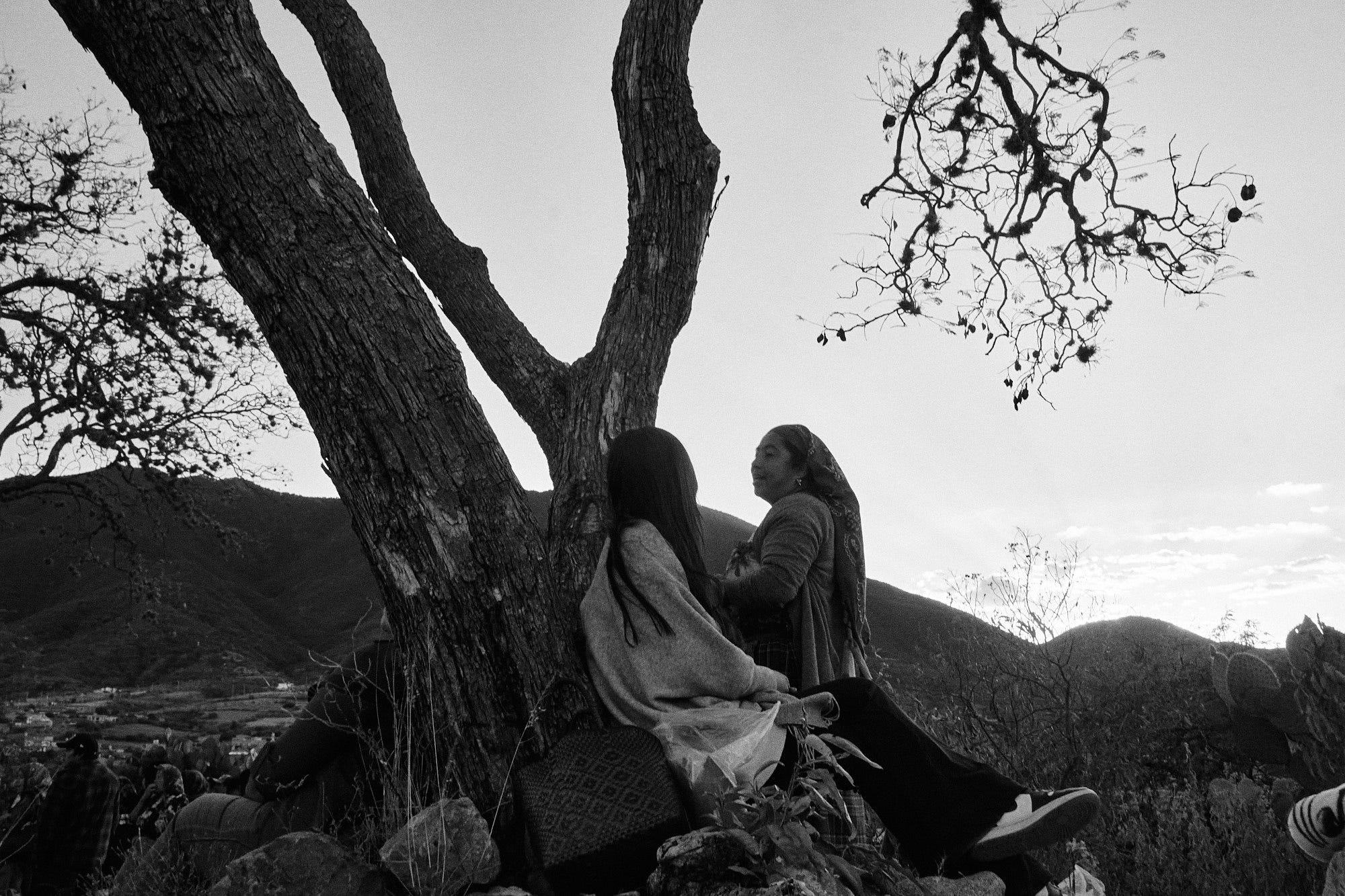
It’s a distinct local tradition rather than a widely known national holiday, and in San Bartolomé Quialana.
I went there particularly because I’m starting a project focused on spirituality in Latin America, and this felt like a perfect place to document and shoot.


The low point of the day came when one of the fireworks went rogue and exploded at the feet of a group of people, burning two women on their legs and sending two children to a nearby hospital. One of them was hit in the eye; I later heard that he was fine and did not lose his eye.
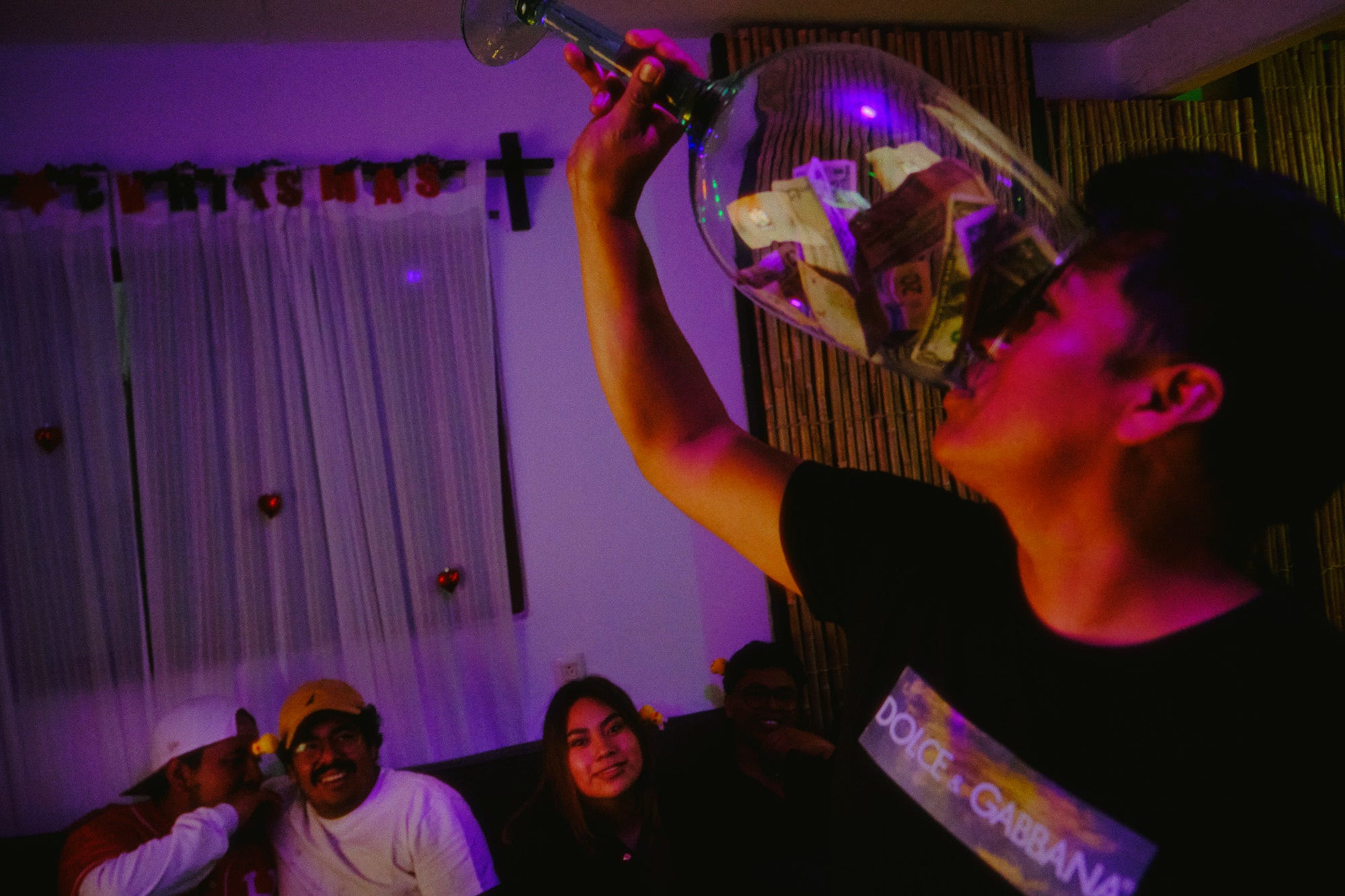
After that, the celebration ended quickly—a sad conclusion to what had been a beautiful moment. As for me, I was later invited to have a drink at a clandestine bar, which turned into one of the best nights I had in Oaxaca.


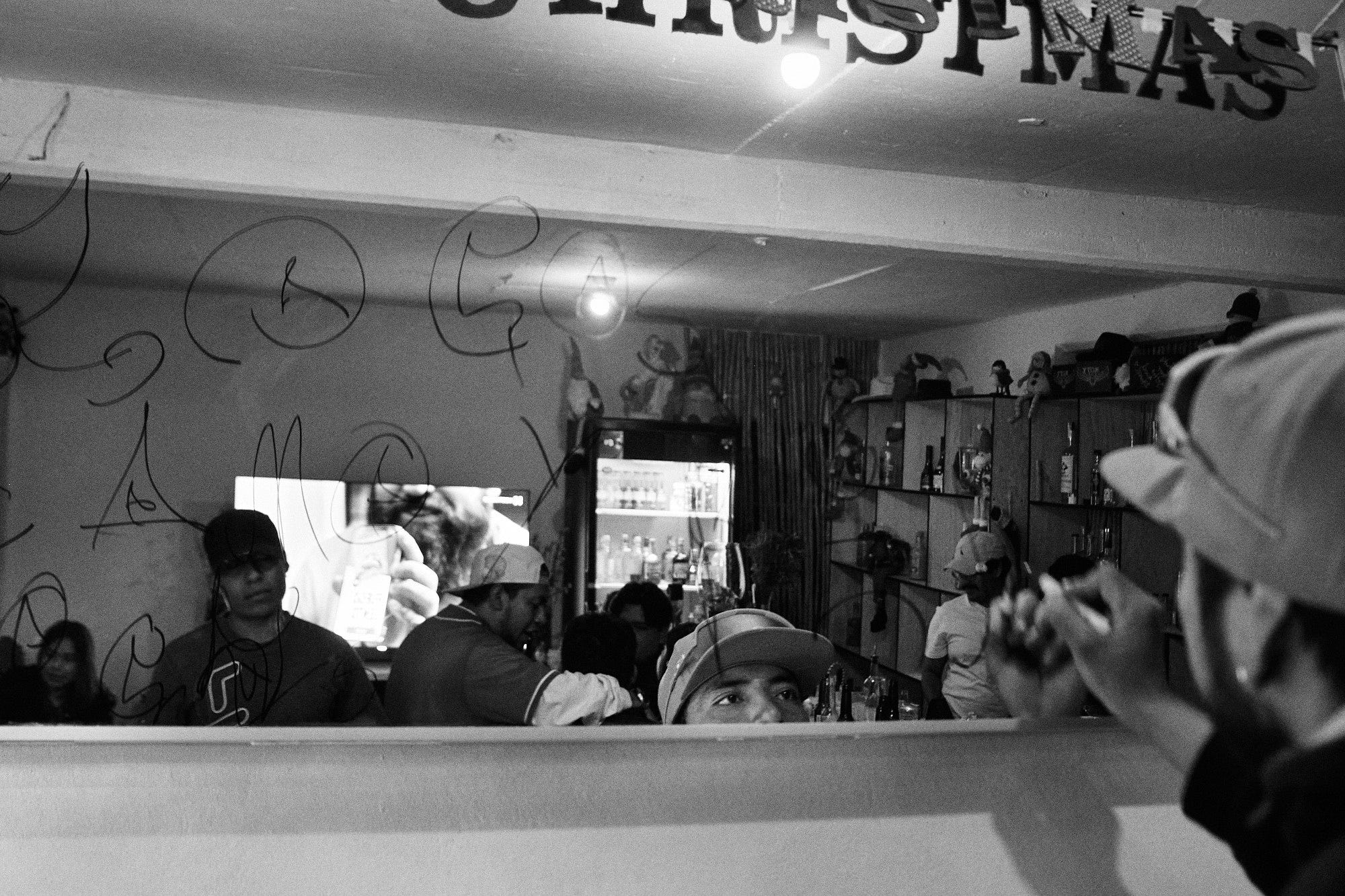
This experience reinforced my interest in documenting spiritual practices that exist naturally within communities. The pedimento in San Bartolomé de Quialana is not a spectacle, but a lived tradition rooted in their beliefs, especially their collective memory. Being there reminded me that these practices continue quietly, almost forgotten. I thank from the bottom of my heart to these people who keep their culture alive year after year,
Cheers!
If you appreciate what I create and would like to support it, consider subscribing and sharing it.
And if you’d like to take it a step further and receive personalised guidance, you can now book a one-to-one online mentoring session with me.
These 1-hour meetings are a perfect chance to dive deeper into your work and refine your vision.
Also, I just announced my workshops for the first half of 2026. (only a few spots left!)
Your support truly means a lot and keeps this journey alive. THANK YOU!
This is truly outstanding!! I have a deep appreciation for Oaxaca and frankly, most of Mexico. I've had the privilege of knowing many of its people, but the story you presented here, the tantalizing idea about spiritual practices as a topic, and these images are just exciting to me. Thank you!
Great documentation project. And good photos.